
-
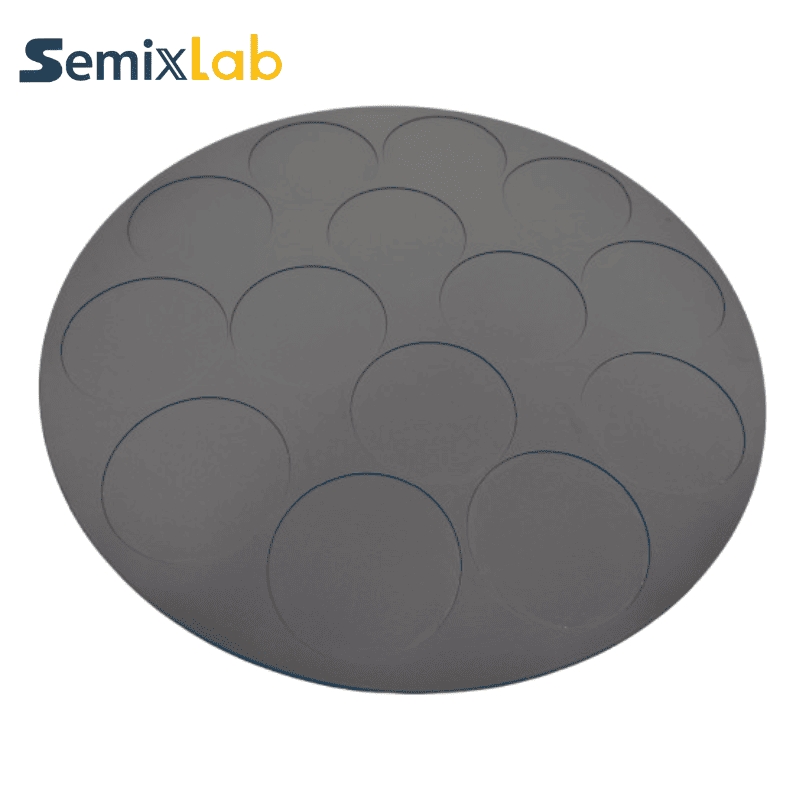
Solid SiC vs. Graphite: Which Material is Best for RTP Applications
2026-09-29When considering heating, Silicon carbide (SiC) and Graphite are often the first materials you think of using for rapid thermal processing (RTP). And of course, there are many advantages and disadvantages of each, but when it comes down to which typ...
Read More -
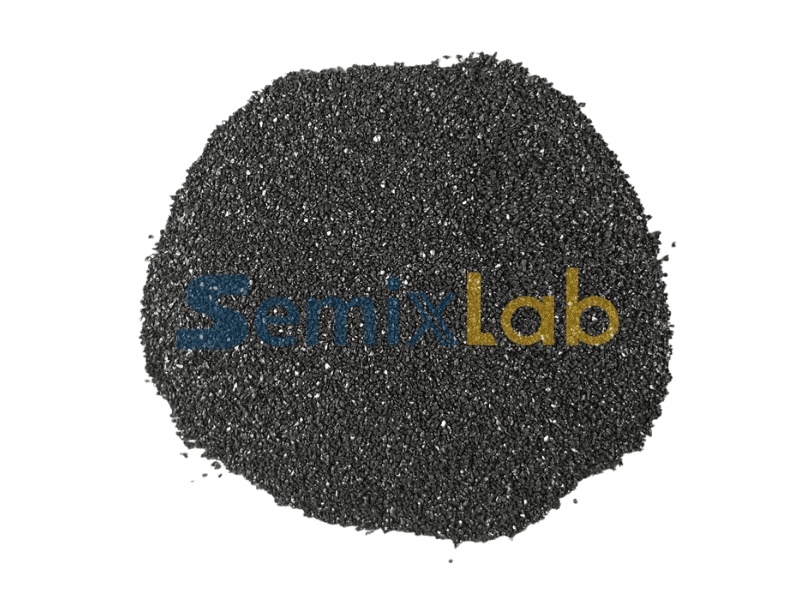
What Purity SiC Source Material Is Required for PVT Crystal Growth?
2026-09-21AbstractThis technical white paper explains why 5N, 6N, and 7N purity grades alone are insufficient for qualifying SiC source material for PVT crystal growth. It examines element-specific impurities including N, B, Al, Fe, Ti, and V, explains t...
Read More -
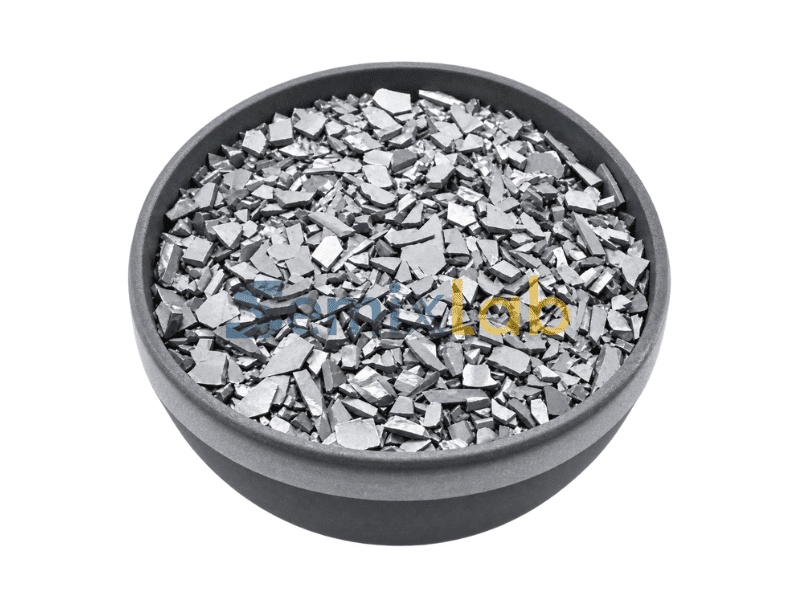
How SiC Particle Size and Packing Density Affect PVT Crystal Growth
2026-09-21AbstractParticle size alone does not determine whether a SiC PVT source will perform well. This article explains how particle-size distribution, packing density, porosity and source geometry interact with heat transfer, sublimation, recrystalli...
Read More -
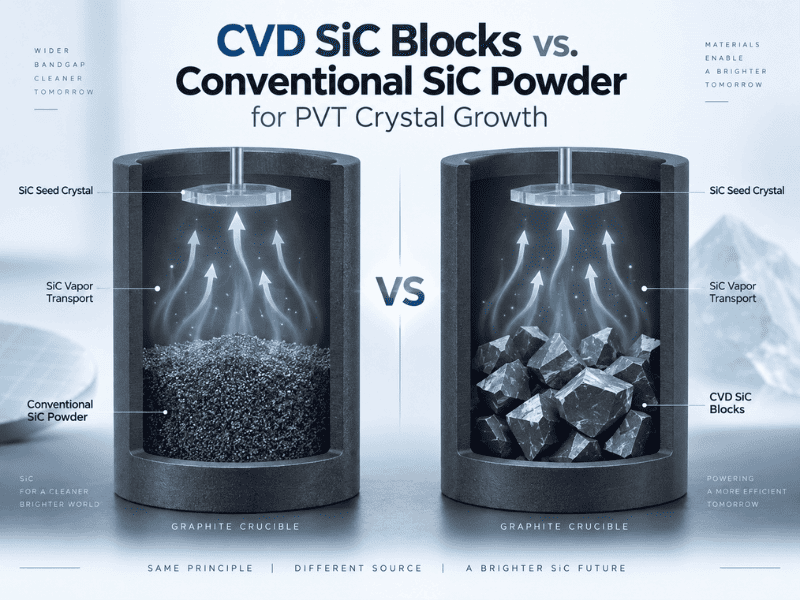
CVD SiC Blocks vs. Conventional SiC Powder for PVT Crystal Growth
2026-09-14For PVT growth of SiC single crystals, the source is not merely a consumable. Purity, particle geometry, packing structure, thermal behavior, sublimation, and source evolution can affect vapor transport, utilization, growth rate, and crystal qu...
Read More -
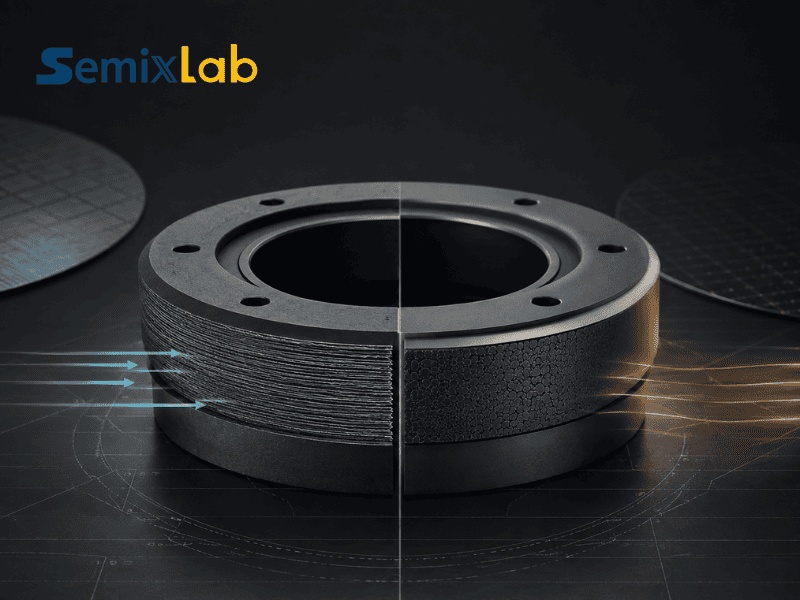
Pyrolytic Graphite vs. Glassy Carbon Coating for Semiconductor Graphite Parts
2026-09-04Pyrolytic Graphite (PG/PyC) and Glassy Carbon coatings both make porous graphite cleaner and less permeable, but they work differently. PG is a CVD-grown, strongly oriented carbon layer; Glassy Carbon is polymer-derived, non-graphitizing and mo...
Read More -
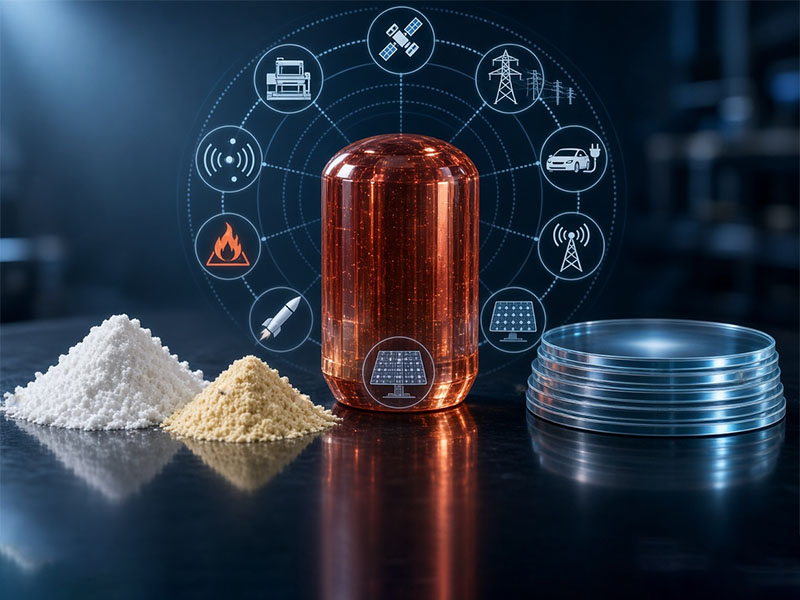
Aluminum Nitride: The Fourth-Generation Semiconductor
2026-09-04In brief: Silicon carbide rode the EV wave. GaN is capturing RF and fast chargers. Now aluminum nitride (AlN) — with a 6.2 eV bandgap and theoretical breakdown field of ~15.4 MV/cm — is emerging as the true fourth-generation ultra-wide-bandgap ...
Read More