
-
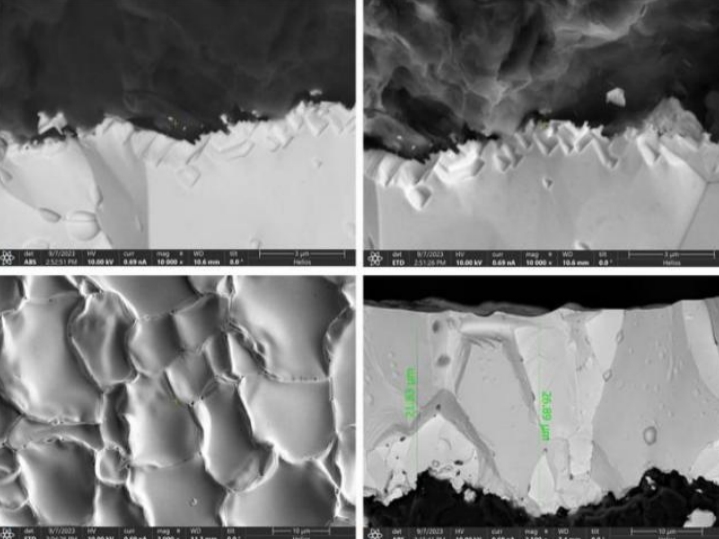
AIXTRON G5/G10 Susceptors: How Coating Thickness Affects Performance
2026-05-27The susceptor is an unobtrusive but highly significant element in the AIXTRON G5 and G10 epitaxy systems. It keeps the wafer in position and maintains the uniformity of heat spread in the high temperature steps. One factor that is not usually taken i...
Read More -
Why CVD Coatings Fail After Thermal Cycling: Fatigue Analysis
2026-05-24CVD coatings are applied to a variety of high-heat tools due to their ability to withstand harsh environments. However, as time passes, changes do occur after multiple heating and cooling cycles. The coating or the bonding layer may begin to crack. I...
Read More -
TaC Coating Delamination on Graphite: Causes & Prevention Guide
2026-05-21Graphite material with a coating of TaC has many advantages under thermal and chemical stresses, and is widely used in high temperature semiconductor and industrial processes. However, in actual production problems do occur and a common problem is de...
Read More -
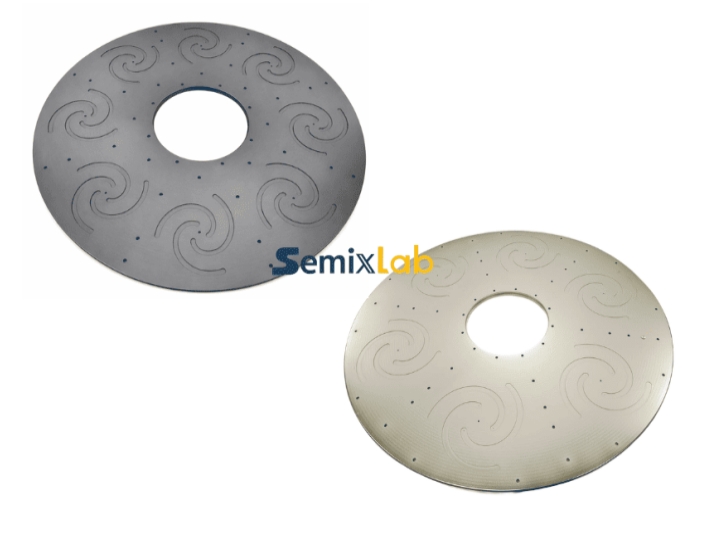
CVD SiC vs TaC: Which Lasts Longer in High-Temp Epitaxy?
2026-05-18High temperature epitaxy processes inevitably involve high temperature, gas flow and chemical attack to their components inside the reactor. Examples of protective coating material are Cvd sic and CVD TaC. There is a lot of speculation as to which o...
Read More -
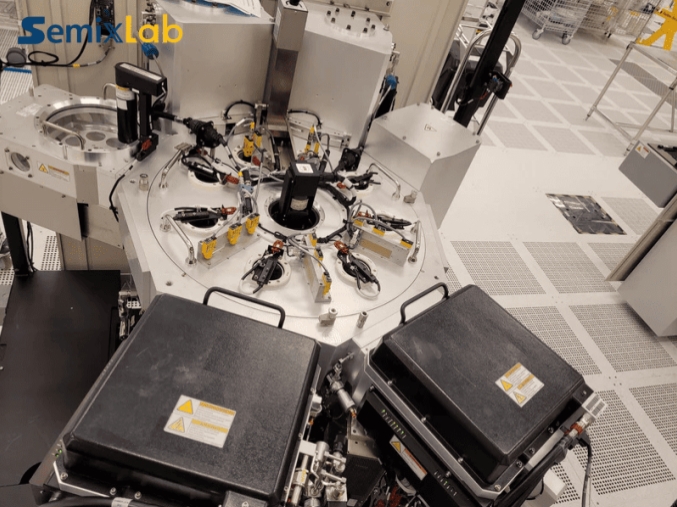
Gas Floating Disk Not Levitating? Susceptor Troubleshooting Guide
2026-05-15A gas floating disk that doesn't lift correctly may cause confusion and frustration, particularly in a process that relies on stable heating or exact weight balance. Many times the issue was not with the disk, but what is going on below the disk. Lev...
Read More -
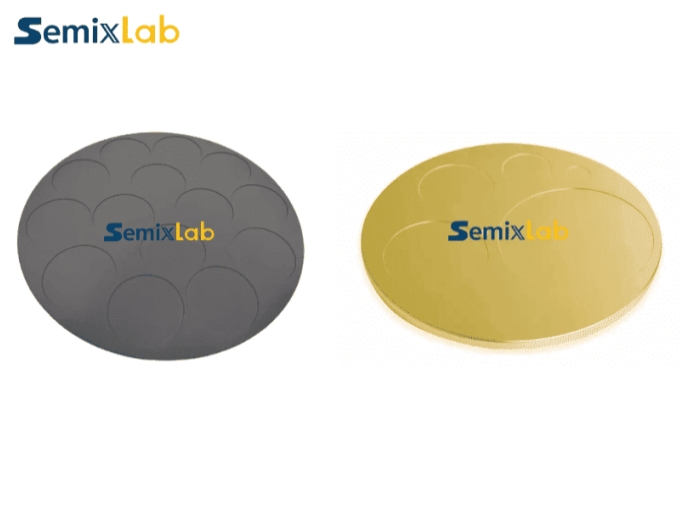
Solving Particle Issues in Epitaxy: SiC vs TaC Coating Guide
2026-05-12In epitaxy, it's the small particles that can cause a big problem. They can form on wafers, serve as nuclei to stop crystal growth, or create defects that would not allow yield. When dealing with high temperature systems and coated components, many e...
Read More